
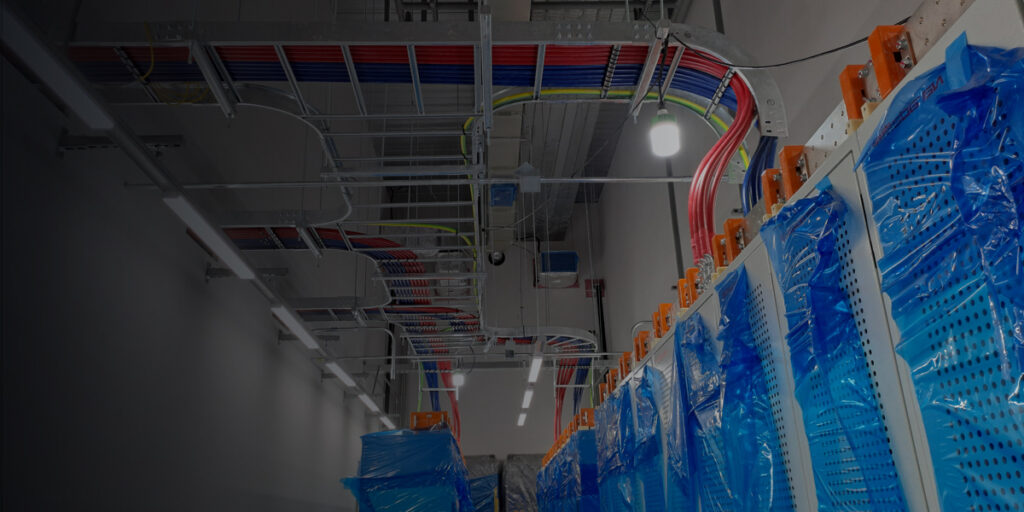
More Than a Milestone: When the Date Is the Math
There’s a version of infrastructure delivery that most providers are built for. The specs get locked, the contract gets signed, the fiber gets run. If the timeline slips a few weeks, both sides manage it.
Neoscaler deployments don’t have that flexibility.
When you’re commissioning a 50MW+ campus against a CEO-set go-live date, the schedule becomes more than just a project management variable. It’s the math behind the entire investment. GPU spend is committed. Power agreements are signed. Anchor customer commitments have start dates. Every month a deployment slips, that capital sits stranded while the forecasted revenue fails to materialize.
Most providers aren’t built to operate under that kind of pressure. They’re built to deliver a product, support it from a distance, and assume a reasonable margin for error along the way. Your deployments don’t leave room for any of that.
Communication is usually where the cracks show.
What Breaks First
The first sign a provider isn’t equipped for your timeline usually isn’t a missed date. It’s a communication gap in the weeks before one: status updates that spawn multiple follow-up discussions, a milestone report that arrives after the fact, or an account team that can tell you what’s happening but not why.
By the time a date actually slips, the operational damage is already done. Your project team has lost confidence. The anchor customer is asking questions. And leadership wants answers that don’t exist yet.
This is the gap between a provider who can build the connection and one who can deliver the project. The technical capability is often equivalent. The operating model behind it isn’t.
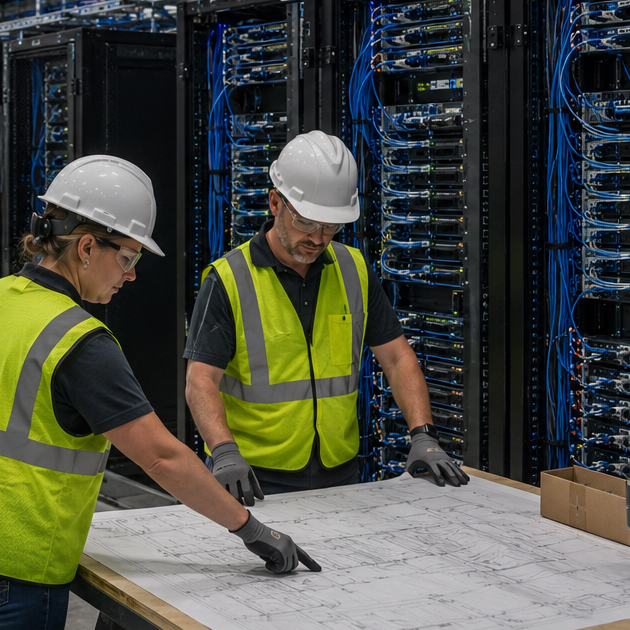
What Holding the Date Requires
Owning a date means treating the schedule as a shared obligation before anything goes wrong – not a shared problem to manage after it does.
It starts with accountable delivery:
- A project contact who owns the schedule and has the authority to escalate when something threatens it
- Proactive communication at key milestones – not portal updates the customer has to pull, but outbound contact that gets ahead of the question before it gets asked
- A delivery process designed to hold through permitting delays, supply chain disruptions, and construction complexity
But the date doesn’t hold on communication alone. It holds because the provider has people on the ground who can act when conditions change – not approvals routed through a regional office while a permitting issue sits unresolved. Regional depth is what turns “we’ll look into it” into “we’re already on it.”
And once the campus is live, the math shifts from delivery to uptime. A go-live date that’s hit on schedule but followed by an unreliable network doesn’t protect the investment because it simply moves the risk downstream. The same operating discipline that holds a go-live date has to hold the network once it’s running.
The Question Worth Asking Before the Contract Gets Signed
The pressures impacting your deployments have made timely delivery, regional depth, and operational trust differentiators in a way they simply weren’t five years ago. The volume of capital at stake, the density of commitments stacked against a single go-live date, and the unforgiving math of stranded GPU spend have changed what it means for a partner to deliver.
The providers who perform in this environment didn’t build that combination in response to demand. It was already embedded in their project management structure, regional teams, and network architecture. It shows up long before turn-up day, and it doesn’t stop once the campus is live.
Before your next deployment, the question worth asking isn’t whether a provider can hit your date under ideal conditions. It’s whether they’re built to hold the date, operate in your market, and keep the network reliable once it’s up and running. For the full picture on what it takes to operate under this kind of pressure – and how to evaluate whether a provider is built for it – read our new guide, “Engineered for Pressure: Why Midwest infrastructure decisions are no longer just about connectivity.”